10 Communication Milestones Every Parent of a Toddler Should Know
From first words to early conversations, these communication milestones can help you understand what to expect during the toddler years.
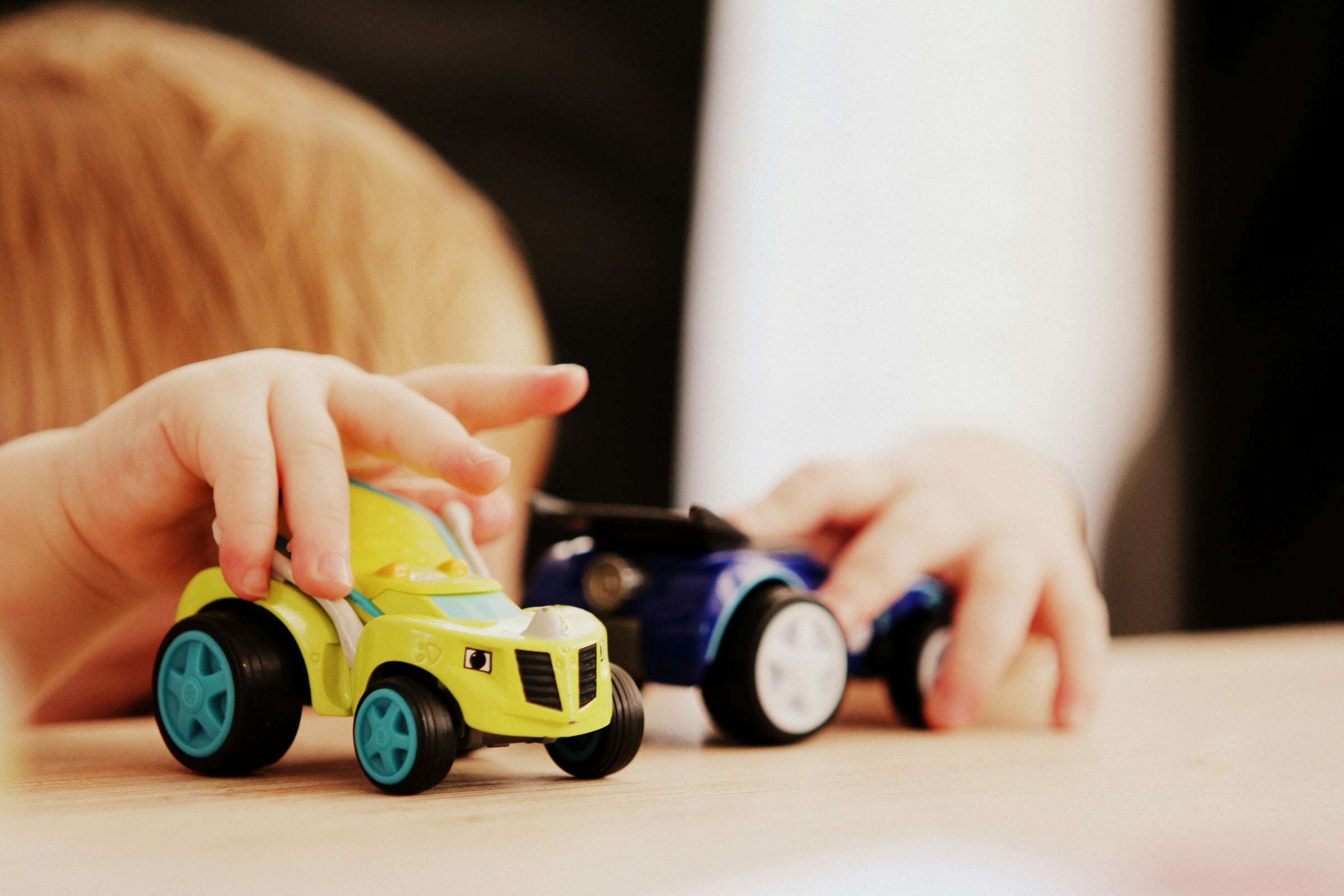
Toddler years are an incredibly important time for communication growth. Between a child’s first and third birthdays, they go from saying a few simple words to carrying on conversations, asking endless questions, and sharing their thoughts with the world. It’s wild!
While every child develops at their own pace, there are important milestones that most toddlers reach within predictable age ranges. Knowing what to expect can ease your mind and help you recognize when they may benefit from extra support.
1. They Understand More Than They Can Say
Often, a big surprise for parents is that toddlers usually understand far more language than they can express. By 18–24 months, many toddlers can:
- Follow simple one-step directions such as Go get your shoes
- Identify a variety of familiar people and objects
- Identify body parts
- Follow everyday routines
Remember, receptive language (what children understand) develops before expressive language (what children can say).
2. Their Vocabulary Expands Quickly
Around 18 months, many toddlers experience what is often called a word explosion. A child who may have had only 20 words may suddenly be learning new words every day, and their vocabulary doubles in size!
While every child is different, many toddlers:
- Have 50 words by 18 months
- Have 200–300 words by age 2
- Add new words daily
Remember, words can include:
- Names of people and objects (truck, mama)
- Verbs or actions (go)
- Sounds (moo)
- Social words (hi, bye)
- Approximations (“dah” for dog)
- Signs and gestures (a wave for greetings)
3. They Begin Combining Words
Once toddlers have enough words (usually at least 50), they start putting them together!
You might hear:
- More juice
- Daddy home
- Big truck
- Want cookie
This is a huge milestone. Combining words shows that your child is beginning to understand grammar and how words can work together.
4. They Use Gestures Along With Words
Communication isn’t just talking. Strong communicators supplement verbal language with gestures.
You may see:
- Pointing
- Waving
- Shaking or nodding their head
These gestures are important building blocks for spoken language.
5. They Start Asking Questions (Lots of Questions…)
By age 2, many toddlers begin asking simple questions like:
- “What’s that?”
- “Where’s mommy/daddy?”
- “More?”
You may even notice a rising intonation pattern before they start using question words! This curiosity is a wonderful sign that communication skills are growing.
6. They Follow Two-Step Directions
What your child understands also grows as language develops. They start to follow longer, multi-step directions like:
- “Go get your shoes and bring them to me.”
- “First clean up your toys, then it’s snack time.”
Understanding more complex language supports learning at home, preschool, and beyond.
7. They Are Easier to Understand
Parents are usually experts at interpreting “toddler speech,” but others may have more difficulty understanding your child. As a general guideline:
- Around age 2, strangers understand about 50% of what your toddler says
- This increases to 75% around age 3
- Around age 4, children are nearly 100% intelligible
This doesn’t mean there are no speech errors. Speech errors are typical (and expected)!
8. They Begin to Have Conversations
As your child grows, communication becomes more interactive!
Your child may:
- Take turns talking
- Answer simple questions
- Tell you about something new
- Comment on what you (or they) are doing
Even if their utterances are short, these back-and-forth interactions are incredibly important for social communication development.
9. They Learn New Words Through Play and Everyday Interactions
The best language learning doesn’t happen through flashcards; it happens when toddlers experience the world around them!
Toddlers learn new words when:
- Participating in pretend play
- Reading books together
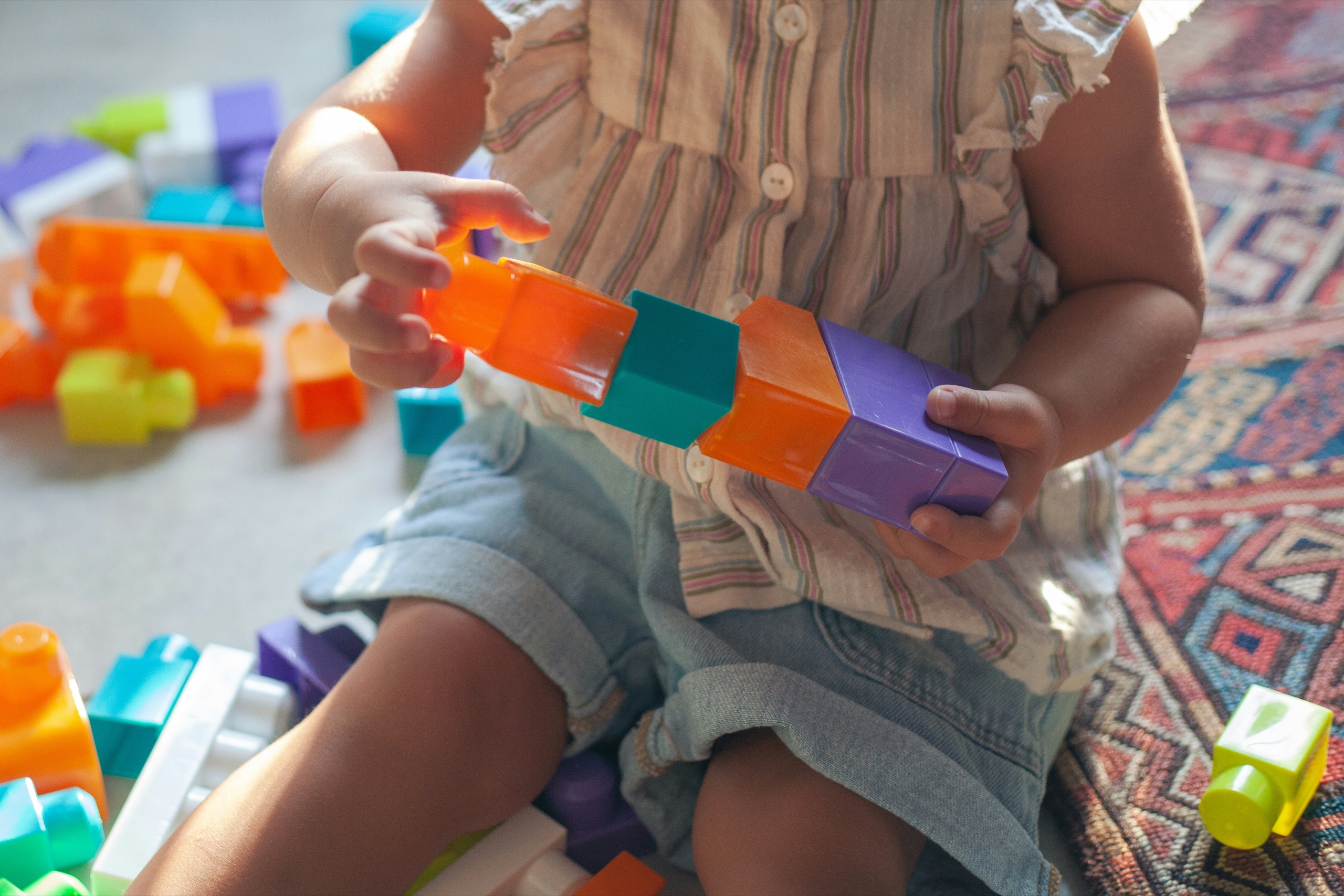
- Building with blocks
- Playing outside
- Helping with daily routines
Talking during play gives children repeated opportunities to hear and practice new words naturally (and without pressure).
10. They Want to Communicate
Perhaps the most important milestone isn’t how many words your child says, but that they are trying to communicate!
Communication includes:
- Looking at you
- Pointing
- Bringing you toys
- Using gestures
- Making sounds
- Attempting words
- Taking turns
The desire to connect with others is the foundation for language development.
When Should Parents Be Concerned?
How You Can Support Communication Every Day
You don’t need special toys or expensive programs to help your toddler learn language.
These everyday interactions build strong communication skills over time.
The Bottom Line
Communication develops gradually, one interaction at a time. While every toddler follows their own path, knowing these milestones can help you feel more confident about what to expect.
If you ever have concerns, trust your instincts. A conversation with a speech-language pathologist can provide valuable guidance, whether your child needs intervention or simply a few extra opportunities to practice.
Early support isn’t about rushing development; it’s about giving children the tools they need to connect with the people and world around them.