The 5 best toys for language development
The best toys are often the simplest ones. Five open-ended favorites that encourage interaction, imagination, and communication.
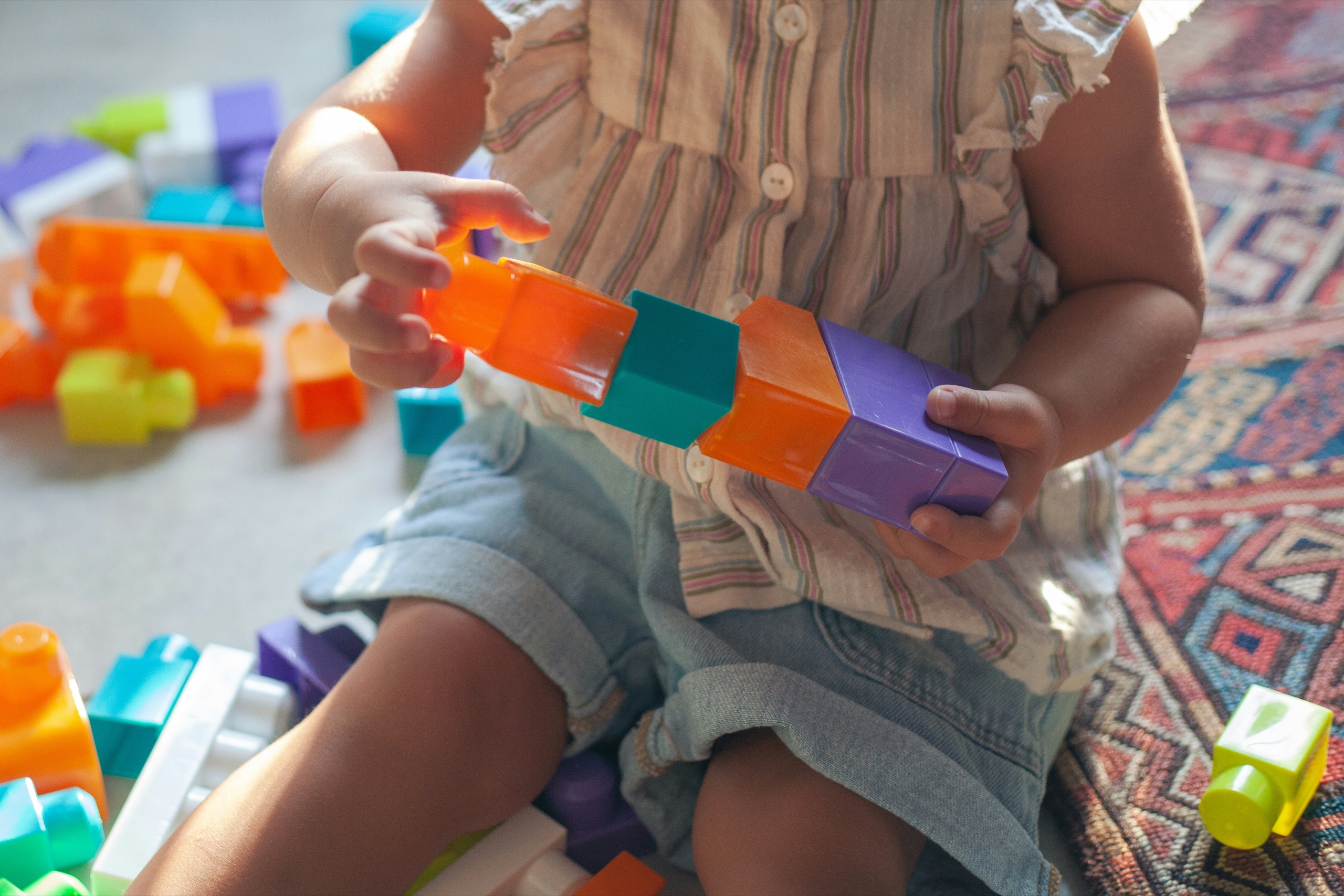
When it comes to toys, children are often drawn to the loudest and brightest options, but the best toys are often the simplest ones. As a pediatric SLP, I love open-ended toys because they encourage interaction, imagination, and best of all: communication!
Battery-operated toys have their place, but they tend to “do the talking” for children with flashing lights, buttons, and pre-programmed sounds. Open-ended toys put the child back at the center of play. They create opportunities to hear rich language models, engage in meaningful back-and-forth interactions, and practice communication skills.
Not sure where to start? Here are five of my favorite toys: engaging, versatile, and excellent for language development.
1. Play kitchen and food
A play kitchen is one of the best language-building toys because it mirrors real life and naturally encourages pretend play and social interaction. Children can “cook,” “serve,” “eat,” and create endless imaginative scenarios. Pretend play also helps children develop symbolic thinking, an important foundation for language development.
Language development skills:
- Vocabulary development (food, actions, utensils)
- Early sentence formation
- Turn-taking and conversational skills
- Sequencing and storytelling
- Social language and pretend play
Great language models
- I'm cooking soup.
- What should we bake next?
- The pizza is hot!
- Can you stir the bowl?
2. Blocks, magnetic tiles, and other building toys
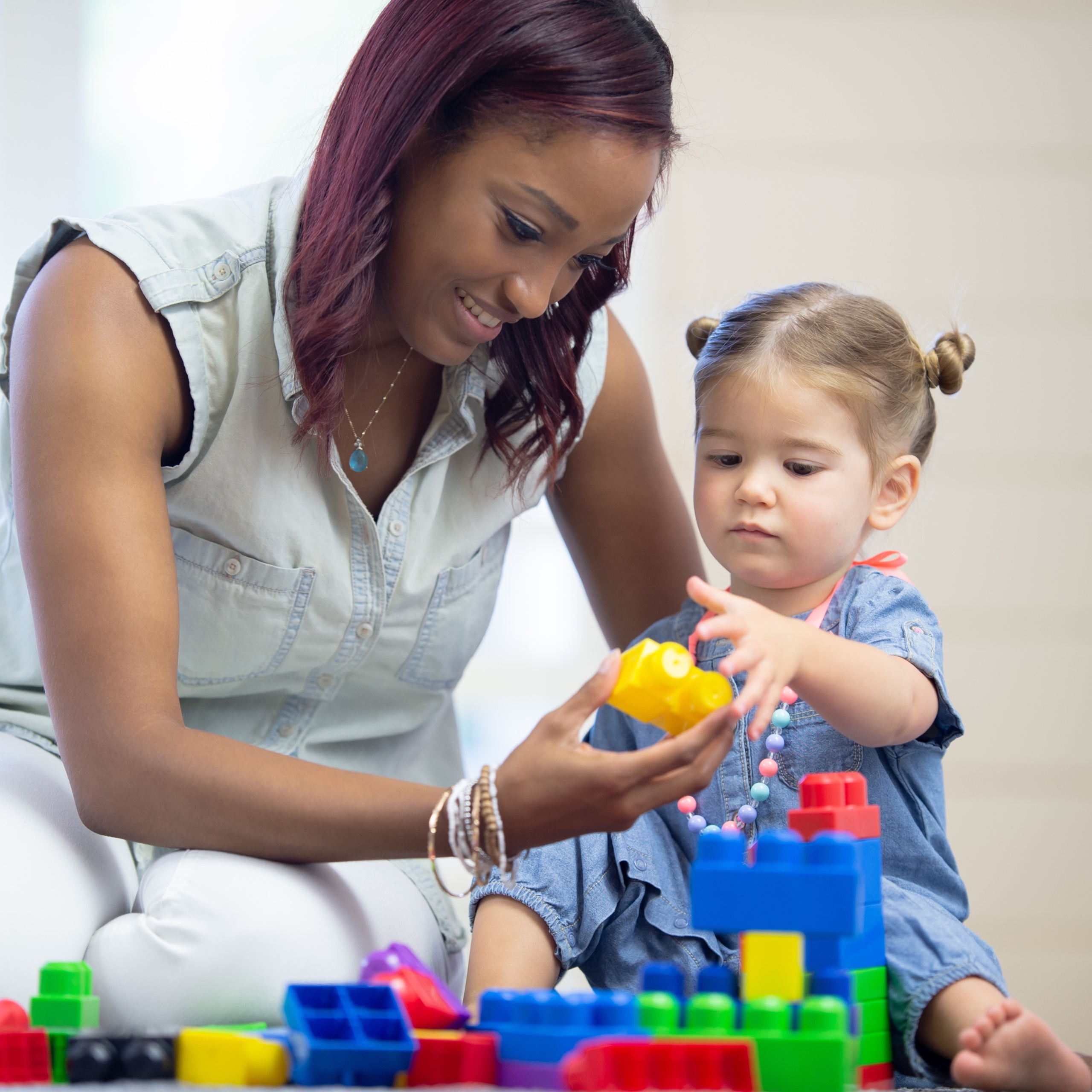
Building toys like wooden blocks and magnetic tiles are excellent for language development because they encourage collaboration, problem solving, and creativity. Unlike toys with one “right” way to play, building toys can become towers, castles, garages, or roads. They let your child’s imagination shine.
Language development skills:
- Spatial concepts (up, on, under, next to)
- Descriptive vocabulary (tall, small, big, little)
- Requesting and commenting
- Problem-solving language
- Early narrative skills
Great language models
- Let's build a tall tower!
- Oh no, it fell down!
- Can you find the blue block?
3. Farm sets and animals
Animal toys are incredibly engaging for young children and provide endless opportunities for language expansion. Children often love making animal sounds and acting out routines with the animals. This kind of play supports both early communicators and more advanced language learners.
Language development skills:
- Sound imitation
- Action words
- “Wh” questions
- Storytelling
- Expanding sentence length
Great language models
- The cow is eating.
- Where is the horse going?
- The pig is sleeping.
- The animals are hungry!
4. Dollhouses and dolls
Dollhouses and dolls encourage children to act out real-life routines and social interactions, which makes them especially valuable for developing conversation and social communication skills. Children often recreate experiences they observe at home, school, or in the community, giving adults plenty of opportunities to model functional language.
Language development skills:
- Social communication
- Emotional vocabulary
- Conversational skills
- Sequencing daily routines
- Perspective taking
Great language models
- The baby is tired.
- Time for bed, let's go to sleep.
- She feels sad.
- Let's eat breakfast!
This kind of pretend play can be especially helpful for children learning how to express feelings and navigate social situations.
5. Play dough and other craft materials
Play dough, crayons, stickers, and paper are fantastic tools for encouraging language because they invite creativity and interaction. Sensory and art-based play tends to slow children down, which supports more opportunities for conversation and shared attention.
Language development skills:
- Action words
- Descriptive language
- Following directions
- Requesting
- Conversational turn-taking
Great language models
- Roll it.
- Let's make a big circle.
- Can I have the blue marker?
- The sticker is sticky.
Why open-ended toys are better for language development
The best toys for language development are not necessarily the most expensive or educational-looking. Often, the most effective toys are the ones that invite children and caregivers to play together.
Open-ended toys:
- Encourage interaction
- Create opportunities for back-and-forth communication
- Support imagination and creativity
- Grow with your child over time
- Allow adults to model meaningful language naturally
If you want to boost language development at home, focus less on toys that “talk” and more on toys that help children communicate.