Phonological awareness: the hidden bridge to reading
Before kids can read, they need to hear how words are built, rhymes, syllables, and sounds. Here's why phonological awareness matters and how to build it through play.
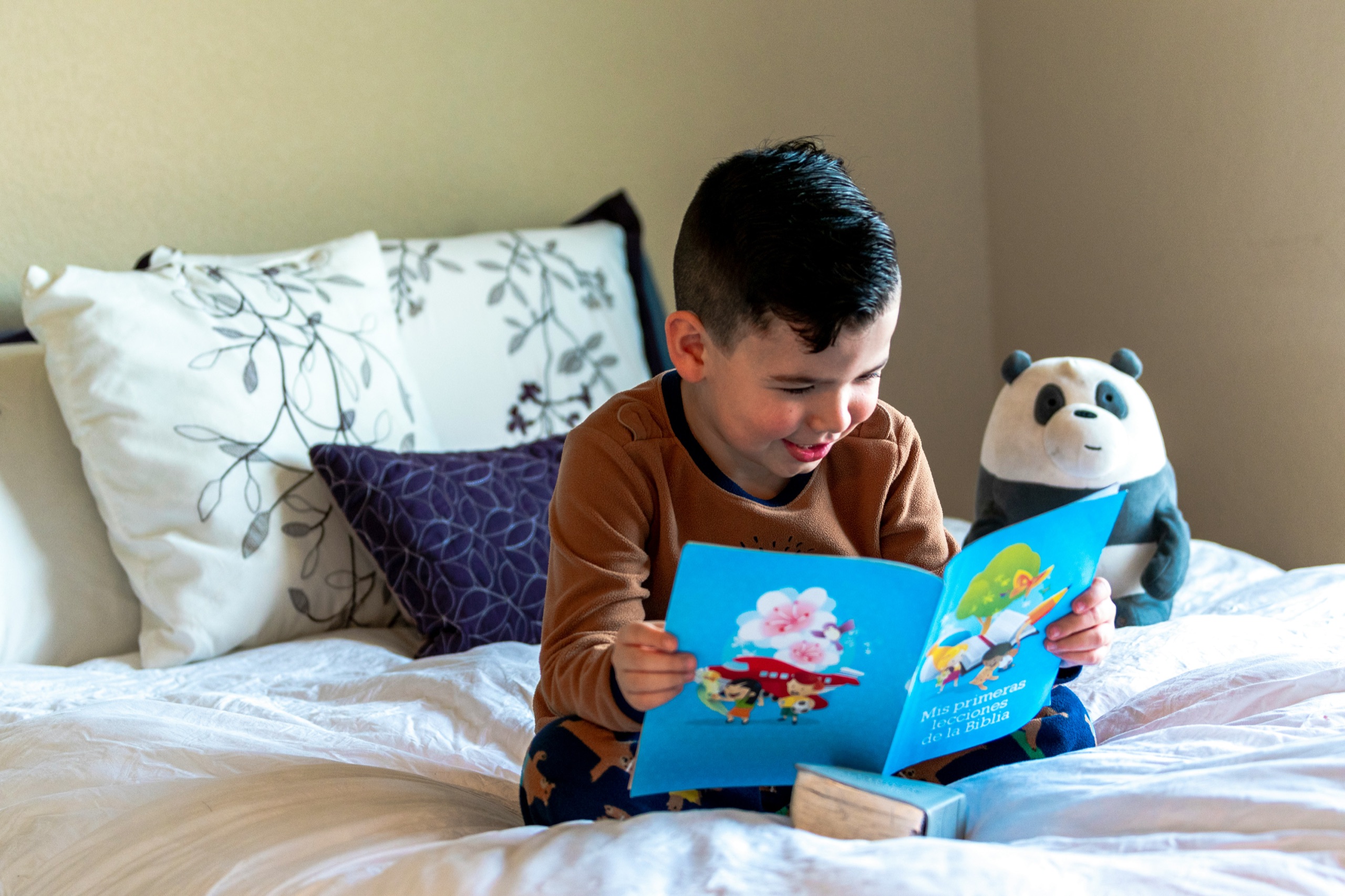
Reading does not start with letters. It starts with sound. Before a child can connect a letter to a sound on the page, they need to be able to hear and play with the sounds in spoken words. That skill is called phonological awareness, and it is one of the strongest early predictors of how smoothly reading will come.
What phonological awareness includes
It is a set of listening skills that grow over time, roughly from bigger chunks to smaller ones:
- Rhyming (“cat” and “hat” sound alike)
- Hearing syllables (clapping out “but-ter-fly”)
- Noticing first sounds (“ball” starts with /b/)
- Blending (/c/ /a/ /t/ makes “cat”)
- Segmenting (breaking “dog” into /d/ /o/ /g/)
Notice that none of this requires a single letter. It is all done by ear, which is why it can grow well before formal reading begins.
Why it matters
When phonological awareness is strong, the leap to “sounding out” written words is far smaller. When it lags, reading can feel like decoding a secret code with missing pieces. Building these skills early gives children a running start, and for kids who find reading hard, targeted practice here can make a real difference.
Reading aloud together is the easiest on-ramp of all, here are five reasons to read and some books that support language development. If reading is becoming a struggle for your child, phonological awareness is a great place to look, and a speech-language pathologist can help.
Strong readers are first strong listeners. The sounds come before the letters.