The best books to support language development in toddlers (that they'll actually love)
Reading with your toddler is one of the easiest ways to boost language. The right books and a few simple strategies turn story time into language time.
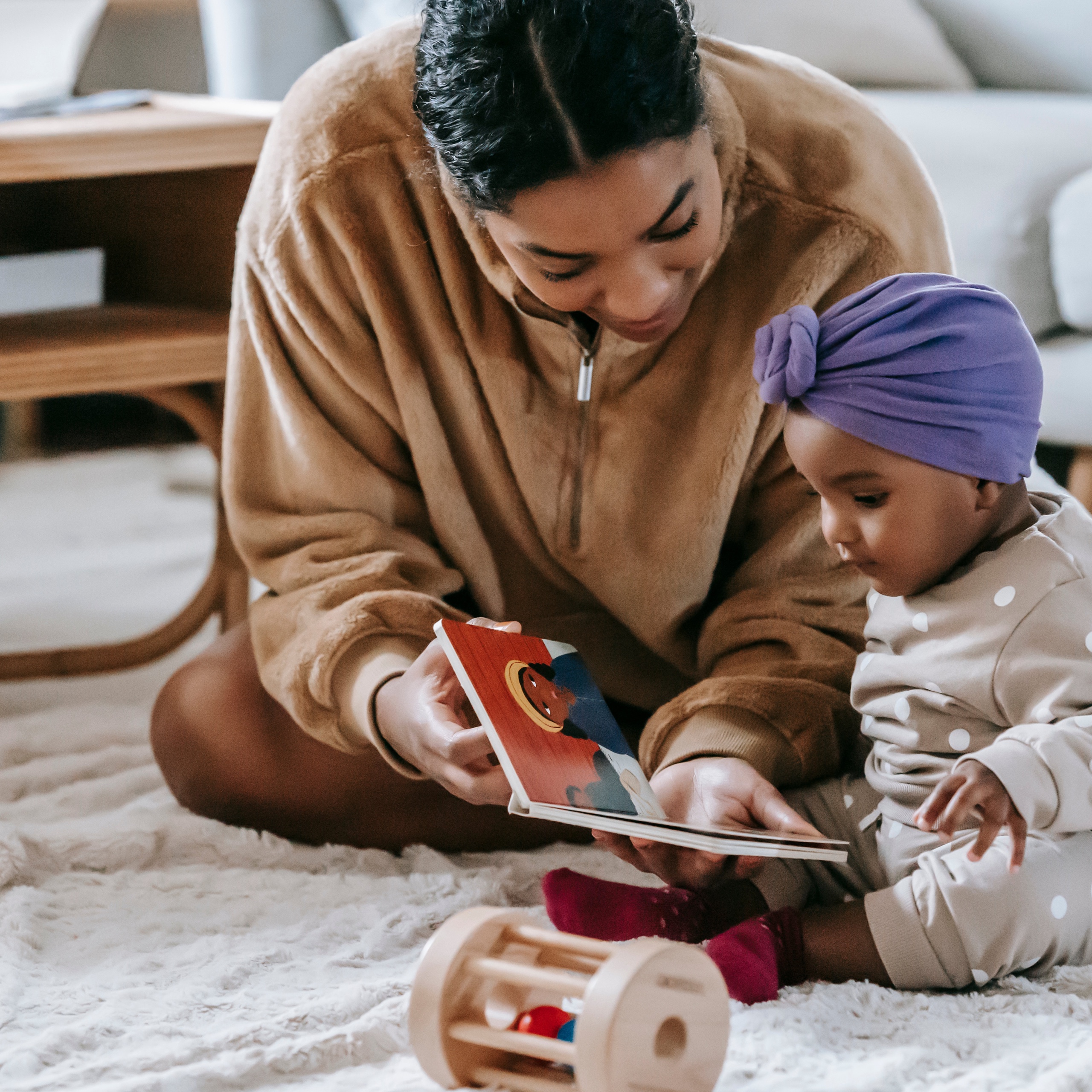
Reading with your toddler is one of the most powerful (and easiest) ways to boost language development. But not every book captures their attention, and not every reading style helps them get the most out of story time.
This leads to two questions:
- What types of books are best for language development?
- What are some simple reading strategies that turn story time into a language-building experience?
Let’s dive in.
Why reading is essential for toddler language development
Reading aloud to toddlers supports many language skills, including vocabulary, comprehension, sentence structure, and early literacy. It also exposes toddlers to the rhythm and melody of language, encourages turn-taking in conversations, and helps connect words with the world around them.
In fact, reading to toddlers every day helps them build stronger language and literacy skills before kindergarten.
Our top 5 favorite toddler books
Here are some of our tried-and-true favorites that are fun to read and packed with language-learning potential:
-
Brown Bear, Brown Bear, What Do You See? by Bill Martin Jr. and Eric Carle
Uses a repetitive, predictable structure that helps toddlers anticipate and use new words. Also great for learning colors and animal names.
-
Dear Zoo by Rod Campbell
Keeps little ones entertained with flaps and uses repetitive language to keep toddlers engaged. It teaches animal vocabulary, adjectives, and simple sentence structures.
-
Where’s Spot? by Eric Hill
Another lift-the-flap book that keeps toddlers involved and entertained. It encourages naming, predicting, and understanding simple questions.
-
Moo, Baa, La La La! by Sandra Boynton
The perfect book for short and silly rhymes that build phonological awareness. It teaches animal sounds and introduces humor. Plus the melody is catchy.
-
Goodnight Moon by Margaret Wise Brown
Builds early sentence patterns and encourages labeling familiar objects and routines. Added bonus: toddlers love finding the mouse hidden on each page.
How to read with toddlers to support language growth
The way you read is just as important as what you read. Try these simple strategies to turn book time into a language-rich experience.
1. Make it interactive
Ask open-ended questions and pause to let your child fill in words or make sounds. A few easy prompts:
- What's that?
- Where's the dog?
- What do you see?
2. Follow their lead
If your toddler is obsessed with one page or one book, that’s okay. Keep reading that page or book. Repetition helps words stick.
3. Name everything
Point to pictures and name what you see: “That’s a ball. Red ball!” Don’t forget to label actions too: “The dog is running.”
4. Use fun voices and facial expressions
Toddlers love animation. It keeps them engaged and reinforces meaning.
5. Expand on what they say
If your toddler says “dog,” you can expand with “Yes, a big brown dog!” This models longer sentences and richer vocabulary.
6. Don’t worry about reading every word
It’s okay to skip pages or just talk about the pictures. The goal is connection and conversation, not perfect reading.
Bonus tips: make books part of daily routines
Final thoughts: it’s the connection that counts
Reading with your toddler isn’t just about books. It’s about bonding, conversation, and shared attention. Connection is at the heart of language. Choosing books they love and using interactive strategies builds their brain, their vocabulary, and their confidence.
Every book is an opportunity to grow their language, one word at a time.